In This Article
Here’s the truth nobody tells you at the till: your first beginner bass guitar will forgive almost every mistake except a bad neck. A beginner bass guitar is a smaller-bodied, typically 4-string electric bass built with lower prices, simpler electronics, and easier playability so that new players can build technique without fighting the instrument itself. Get that one thing right — a straight, comfortable neck — and the rest is just personal taste in colour and pickup configuration.
We’ve spent weeks digging through UK retailer listings, manufacturer spec sheets, and genuine aggregated customer reviews to pull together seven real, currently available basses that actually suit someone picking up the instrument for the first time. No invented anecdotes, no “I tested this for six months” fiction — just honest analysis of real specs and real feedback from people who bought these instruments and lived with them.
Before you commit to a bass guitar starter pack or agonise over pickup configurations, it helps to know what actually separates a genuinely playable entry-level instrument from one that’ll be gathering dust in a wardrobe by March. That’s what this guide is for. We’ll walk through seven solid options spanning roughly £100 to £450, cover what action and neck width actually mean for your fingers, look at learning bass guitar realistically rather than aspirationally, and sort out beginner amp pairing so you’re not powering a lovely bass through a speaker that sounds like a wet paper bag.
One quick note before we dive in: bass guitars sit alongside the wider guitar family, and if you want the full historical background on how the instrument evolved from Leo Fender’s original 1951 Precision Bass onward, Wikipedia’s bass guitar entry is a genuinely solid primer. Right, let’s get into the picks.
Quick Comparison Table
| Bass | Scale Length | Pickups | Price Range | Best For |
|---|---|---|---|---|
| Squier Sonic Bronco Bass | 30″ short scale | Single-coil | Around £150-£190 | Smaller hands, absolute first-timers |
| Harley Benton PB-20 | 34″ long scale | Split-coil P | Around £100-£130 | Tightest budgets |
| Squier Affinity Precision Bass PJ | 34″ long scale | P + J | £200-£280 range | All-round first full-size bass |
| Squier Affinity Jazz Bass | 34″ long scale | Dual J single-coil | £210-£240 range | Slimmer necks, fingerstyle tone |
| Yamaha TRBX174 | 34″ long scale | P + J | £220-£250 range | Best all-round value and build |
| Ibanez GSR200 GIO | 34″ long scale | P + J, active EQ | £220-£270 range | Tone-shaping beginners |
| Sterling by Music Man StingRay Ray4 | 34″ long scale | Ceramic humbucker | £380-£450 range | Growing well past year one |
Looking at the spread above, the gap between the cheapest and priciest options here is roughly £350, but the actual playability difference between the Harley Benton PB-20 and the Squier Affinity Precision Bass PJ is smaller than the price tag suggests — you’re mostly paying for finish consistency and hardware polish rather than a fundamentally different instrument. Where the jump genuinely matters is at the top: the Sterling by Music Man StingRay Ray4‘s active preamp and ceramic humbucker put it in a different tonal league entirely, which is exactly why it’s positioned as the one bass on this list you could still be playing gigs on in five years.
💬 Found a bass that’s caught your eye already? Bookmark it and keep reading — the pros and cons below might change your mind.
Top 7 Beginner Bass Guitars: Expert Analysis
1. Squier Sonic Bronco Bass — best short-scale for smaller hands
The standout here is the 30-inch short scale, a full four inches shorter than a standard bass, which genuinely changes how the instrument feels under your fingers in the first few weeks. Built around a lightweight poplar body and a slim C-shaped maple neck with a narrow 1.5-inch nut width, the Bronco is Squier’s answer to the age-old problem of full-size basses intimidating smaller players, younger learners, or guitarists making the jump across from six strings. Under the hood there’s a single Squier single-coil pickup positioned mid-way between neck and bridge, controlled by just one volume and one tone knob — deliberately simple so that fretting-hand technique gets your attention instead of fiddling with EQ.
Based on the spec sheet, this is squarely a first-instrument bass rather than a long-term one: the reduced scale means less string tension and easier stretches, but also a slightly less defined low end than a 34-inch bass produces. Reviewers on UK retail sites consistently frame it as ideal for younger players or those with smaller hands, and note that the compact size makes it genuinely fun to pick up casually rather than feeling like a chore. What most buyers overlook is that a shorter scale doesn’t mean a toy — plenty of professional bassists, including Jack Bruce and Paul McCartney historically, built entire careers on short and medium-scale instruments.
Pros:
- ✅ 30-inch scale is noticeably easier on small or young hands
- ✅ Lightweight body reduces fatigue during long practice sessions
- ✅ Dead-simple single volume and tone control for total beginners
Cons:
- ❌ Single pickup limits tonal variety versus PJ-equipped basses
- ❌ Not ideal if you’re already a fully grown adult with average or larger hands
Prices for the Sonic Bronco Bass typically sit in the £150-£190 range depending on colour and retailer stock, and at that price it represents strong value specifically for the audience it’s built for — smaller players who need the reduced scale, not everyone chasing a bargain.
2. Harley Benton PB-20 — best budget full-size P-bass
Harley Benton, Thomann’s house brand, built the PB-20 as a direct homage to the 1960s-style Precision Bass, and the standout feature is that it delivers a genuine full 34-inch scale P-bass experience at a price that undercuts nearly everything else on the market. The construction is straightforward: a poplar body, bolt-on maple neck, laurel fingerboard, and a classic split single-coil pickup running through fully passive electronics — no battery required, ever. The 42mm nut width and modern C-shape neck profile are wider than the Squier options here, which matters practically if you have bigger hands and find narrower necks cramped.
What the spec sheet won’t tell you, but the aggregated review data will, is that this bass punches well above its price bracket. Thomann’s own published customer ratings show an overall score of 4.3 out of 5 stars from over 1,000 individual ratings, with reviewers specifically praising the out-of-the-box playability and describing it as a genuine surprise given the cost. One recurring theme in that feedback is that buyers didn’t expect a “P-Bass clone” to feel this solid straight out of the box, with no fret buzz or hardware rattle reported. The honest trade-off is availability — this is a Thomann-exclusive line, so you won’t find it sitting on the wall in a UK high-street guitar shop, and the passive-only electronics mean no built-in tone boost.
Pros:
- ✅ Full 34-inch scale P-bass tone at a genuinely entry-level price
- ✅ 4.3 out of 5 aggregate rating across 1,000-plus verified customer reviews
- ✅ Wider 42mm nut suits players with larger hands
Cons:
- ❌ Only available to order through Thomann, not general UK music shops
- ❌ Passive electronics only, so no active tone-shaping option
At around £100-£130, the Harley Benton PB-20 is arguably the single best value-per-pound instrument on this entire list, assuming you’re comfortable ordering from Thomann’s UK site rather than a bricks-and-mortar retailer.
3. Squier Affinity Precision Bass PJ — best all-rounder for a first full-size bass
The Squier Affinity Precision Bass PJ earns its spot as the most balanced all-rounder here thanks to its pickup configuration: a split-coil Precision-style neck pickup paired with a single-coil Jazz-style bridge pickup, commonly shortened to “PJ.” In practice, this means you get the thick, punchy low-end thump the Precision Bass has been famous for since 1951, plus the brighter, more articulate top-end of a Jazz pickup when you need it, all controllable through independent volume knobs. The poplar body keeps weight down, and the slim, comfortable C-shaped neck with vintage-style open-gear tuners is specifically designed to feel unintimidating to someone who’s never held a bass before.
Here’s what most buyers overlook when comparing beginner basses on spec sheets alone: pickup configuration genuinely changes what kind of music suits the instrument. A PJ setup like this one is more versatile across genres — funk, rock, pop, blues — than a single-pickup bass, which is exactly why it’s the configuration Fender chose for the original Precision Bass Special decades ago. This particular model is also widely sold as a complete bass guitar starter pack bundled with a Fender Rumble 15 amp and a gig bag, which we’ll cover properly in the starter pack section further down. Reviewers on UK retailer sites consistently describe it as a great foundation for players at any stage, not just absolute beginners, which speaks to genuine longevity rather than a bass you’ll outgrow in six months.
Pros:
- ✅ PJ pickup pairing covers Precision punch and Jazz brightness in one bass
- ✅ Available as a bundled starter pack with amp and gig bag included
- ✅ Slim C-shaped neck feels comfortable for genuine first-timers
Cons:
- ❌ Open-gear tuners look vintage but need slightly more careful string winding
- ❌ Stock pickups are solid rather than exceptional for tone purists
Standalone, expect to pay somewhere in the £200-£280 range depending on colour and finish, while the bundled starter pack versions typically land higher, around £320-£370, reflecting the added amp and accessories.
4. Squier Affinity Jazz Bass — best for smaller hands wanting full scale
Where the Precision Bass PJ leans thick and punchy, the Squier Affinity Jazz Bass takes the opposite design philosophy: two single-coil Jazz-style pickups and a genuinely slimmer 1.5-inch nut width, built around the same lightweight poplar body and comfortable C-shaped maple neck. The 9.5-inch fingerboard radius is worth calling out specifically, because a flatter radius like this makes fast runs and slides feel more natural under the fingers than the more rounded radius found on some vintage-style basses, which matters when you’re still building calluses and confidence.
Based on the spec comparison against the PJ model above, the Jazz Bass configuration trades some of that P-bass low-end punch for a brighter, more scooped tone and finer control over blend between neck and bridge pickup. This is genuinely the better pick for players with smaller or narrower hands who still want a full 34-inch scale rather than dropping to a short-scale instrument, since the narrower neck profile reduces the stretch required for basic fretting shapes. Reviewers consistently frame the Affinity Jazz Bass as a strong entry point specifically because of that neck comfort, though a few aggregated reviews note the single-coil design means it’s slightly more prone to picking up electrical hum near lighting rigs or noisy amps than a humbucker-equipped bass would be.
Pros:
- ✅ Slimmer 1.5-inch nut width suits smaller or narrower hands
- ✅ Dual single-coil Jazz pickups give a bright, articulate tone
- ✅ 9.5-inch fingerboard radius makes fast fretting-hand runs comfortable
Cons:
- ❌ Single-coil pickups are more prone to electrical hum than humbuckers
- ❌ Less low-end punch out of the box than a PJ-loaded equivalent
The Affinity Jazz Bass typically sits in the £210-£240 range across UK retailers, making it a close, direct alternative to the Precision PJ above — the choice between them really comes down to hand size and tonal preference rather than one being objectively better.
5. Yamaha TRBX174 — best value and build quality all-rounder
Yamaha has been quietly building some of the best-regarded budget basses on the market for years, and the TRBX174 is routinely cited by UK retailers as one of the strongest value picks in this price bracket. The standout combination here is an alder body paired with a maple neck and a 40mm nut width across 24 frets — two more frets than most of the Squier options on this list, which genuinely matters if you want to explore higher-register basslines or eventually try slap technique. The P&J pickup configuration, with independent volume controls for each, mirrors the versatility of the Squier PJ bass but through Yamaha’s own build quality, which multiple UK dealers describe as punching noticeably above its price point.
What the spec sheet won’t fully convey is how much that 40mm nut width and 10-inch fingerboard radius contribute to a genuinely comfortable playing experience for players with average-to-larger hands, without feeling unwieldy the way some full-size basses can early on. Here’s what most buyers overlook: Yamaha’s manufacturing consistency across its budget range tends to be more reliable batch-to-batch than some competitors, meaning less variation in factory setup quality when you unbox it. The trade-off is that this is a purely passive bass with no active EQ boost, so if you want built-in tone shaping beyond the pickup blend, you’ll need to look toward the Ibanez GSR200 or invest in a pedal further down the line.
Pros:
- ✅ 24 frets give more upper-register range than most beginner basses
- ✅ Alder body and maple neck deliver genuinely balanced tone for the price
- ✅ Consistently praised by UK retailers as one of the best beginner value picks
Cons:
- ❌ Passive electronics only, with no active EQ boost option
- ❌ Standard colour options are more understated than Squier’s range
Expect to pay somewhere in the £220-£250 range for the TRBX174, which places it squarely in competition with the Squier Affinity models but with a slightly more grown-up specification sheet.
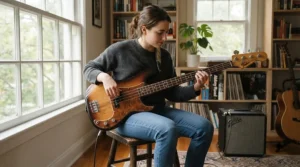
6. Ibanez GSR200 GIO — best for tone-shaping beginners
The Ibanez GSR200, part of the budget-friendly GIO series, stands out from the rest of this list because of its Phat II EQ — a built-in active bass boost that beginners can actually hear and use, rather than a marketing footnote. Paired with Ibanez’s own Dynamix P and J pickups in a familiar PJ-style layout, and built around the fast, slim GSR4 neck profile the brand is known for on its higher-end SoundGear basses, the GSR200 is specifically engineered so newer players don’t spend their first weeks wrestling with high action or a chunky neck profile. The 41mm nut width and 22 medium frets sit between the Squier and Yamaha specs above, offering a genuine middle ground for hand size.
Based on the spec comparison, the real differentiator here is that active bass boost: flick it on and you get an immediate, noticeable low-end lift that’s genuinely useful for cutting through a practice amp or a band mix without constantly adjusting your amp’s own EQ. Reviewers describe the GSR200 as an easy full-scale starter bass specifically because Ibanez applies the same rigorous inspection and setup process used on its more expensive SoundGear instruments, not a stripped-down process for the budget line. The honest downside is that active electronics mean a 9V battery to remember, and buyers should factor that into their beginner amp pairing and general maintenance habits from day one.
Pros:
- ✅ Phat II active EQ gives a genuinely useful, audible bass boost
- ✅ Fast, slim GSR4 neck profile designed specifically for easy early playability
- ✅ Same inspection and setup standards as Ibanez’s pricier SoundGear range
Cons:
- ❌ Active EQ requires a 9V battery that will eventually need replacing
- ❌ Slightly heavier than the Squier and short-scale options on this list
Pricing for the Ibanez GSR200 typically falls in the £220-£270 range, positioning it as a genuine head-to-head rival to the Yamaha TRBX174, with the deciding factor usually coming down to whether you want passive simplicity or active tone-shaping.
7. Sterling by Music Man StingRay Ray4 — best premium pick to grow into
If you’re the kind of beginner who already knows they’re serious about sticking with bass long-term, or you’ve got a slightly higher budget and want an instrument that won’t need replacing within eighteen months, the Sterling by Music Man StingRay Ray4 is the clear standout on this list. It’s a more affordably priced version of Music Man’s genuinely iconic StingRay design, built around a single ceramic humbucker at the bridge that delivers that unmistakable, thick StingRay “thump” the original has been famous for since the 1970s, driven through a proper 2-band active preamp for real tonal shaping rather than a passive tone knob alone.
Here’s the honest analysis: at 34-inch scale with a 9.5-inch radius maple fingerboard, the Ray4 plays comparably to the other full-size basses on this list, but the electronics put it in a different category entirely. That active preamp and ceramic humbucker combination is genuinely closer to what working bassists use on stage than anything else here, which is exactly why this is positioned as the bass you could still be gigging on years after your first lesson, rather than a stepping-stone instrument. The trade-off, unsurprisingly, is price — this sits meaningfully above everything else on this list — and the active electronics do rely on a 9V battery that, like any active bass, has a habit of dying at the least convenient moment.
Pros:
- ✅ Genuine StingRay humbucker tone in an affordably priced package
- ✅ 2-band active preamp offers real tonal shaping as your ear develops
- ✅ Built to a standard that will comfortably outlast the beginner phase
Cons:
- ❌ Meaningfully pricier than every other bass on this list
- ❌ Active preamp battery can die unexpectedly if not checked regularly
Expect to pay in the £380-£450 range for the Sterling by Music Man StingRay Ray4, making it a genuine investment pick rather than an impulse buy — but one that arguably won’t need replacing as your skills improve.
Bass Guitar Starter Pack: What’s Actually Worth Buying
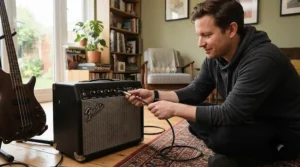
A bass guitar starter pack sounds like the obvious shortcut for anyone learning bass guitar from scratch, and honestly, it often is — but not every bundle on the shelf is equally good value. The genuinely useful starter packs, like the bundled version of the Squier Affinity Precision Bass PJ with a Fender Rumble 15 amp and gig bag, save you the hassle of separately sourcing a cable, a strap, and an amp that’s actually suited to bass frequencies rather than a leftover guitar amp. Based on the spec comparison, buying that bundle typically costs less than purchasing the bass and amp separately, and it removes the single most common beginner mistake: buying a bass with no way to actually hear it properly.
What most buyers overlook, though, is that not all “starter packs” include a genuine bass amp — some budget bundles quietly substitute a tiny guitar-oriented practice amp that simply can’t reproduce low frequencies properly, leaving new players thinking their bass sounds thin or weak when it’s actually the amp letting them down. Before buying any bundle, check that the amp is specifically marketed as a bass amp (like the Rumble 15’s 8-inch speaker built for low frequencies) rather than a generic multi-instrument practice amp. A genuinely solid starter pack should include: the bass itself, a dedicated bass combo amp of at least 15 watts, an instrument cable, and ideally a gig bag or padded case for basic protection during transport.
✨ Ready to stop scrolling and start playing? Check current prices on the picks above before they change!
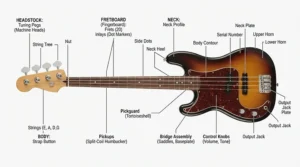
Learning Bass Guitar: A Realistic First 90 Days
Learning bass guitar is a genuinely different experience from learning six-string guitar, and setting realistic expectations for your first three months will save you a lot of frustration. Week one is almost entirely about hand position and building the calluses that stop fretting from hurting — expect ten to fifteen minutes of genuine discomfort before your fingertips toughen up, not weeks of it. By weeks two to four, most beginners can comfortably play a basic root-note bassline along with a simple song, which is honestly further along than most six-string guitar beginners get in the same period, since bass parts are structurally simpler to start with.
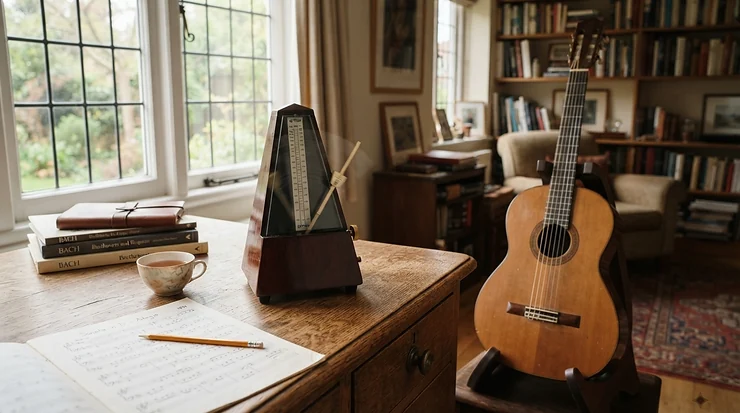
The optimisation trick nobody mentions in Amazon listings: practise with a metronome from day one, even at a slow 60 beats per minute, because bass is fundamentally a rhythm instrument and developing timing early prevents bad habits that are genuinely difficult to unlearn later. Common first-30-days mistakes include gripping the neck too tightly (leading to unnecessary hand fatigue), ignoring your fretting-hand thumb position on the back of the neck, and skipping basic maintenance like wiping strings down after playing, which shortens string life considerably. A simple monthly maintenance routine — wiping the strings and fretboard, checking the neck for obvious warping, and re-tuning before every session — will keep any of the seven basses above playing well for years, not just months.
Beginner Amp Pairing: Matching Your First Amp to Your Bass
Beginner amp pairing matters more than most new players realise, because a bass guitar’s low frequencies genuinely need more speaker cone and power to reproduce cleanly than a standard guitar amp can manage — plugging a bass into a guitar amp will sound thin, farty, and generally disappointing regardless of how good the bass itself is. For home practice, 15 to 25 watts through an 8-inch speaker is genuinely sufficient for most beginners; you don’t need stadium-level power to hear yourself clearly in a bedroom or small studio space.
| Amp | Wattage | Speaker | Price Range | Best For |
|---|---|---|---|---|
| Fender Rumble 15 | 15W | 8″ | Around £120-£140 | Quiet home practice, headphone jack included |
| Laney LX15B | 15W | 2×5″ | Around £90-£110 | Tightest amp budgets |
| Fender Rumble LT25 | 25W | 8″ | Around £150-£180 | Slightly louder home or small-room use |
| Orange Crush Bass 25 | 25W | 8″ | Around £140-£170 | Distinct British tone character |
Looking at the table above, the Fender Rumble 15 stands out for genuine beginners specifically because of its headphone jack, which lets you practise silently at any hour without disturbing housemates or family — a feature that’s easy to overlook until you actually need it at 11pm. The Orange Crush Bass 25, by contrast, offers a bit more headroom and a distinctly voiced British tone that some players prefer once they’ve moved past the absolute basics, though the extra £20-£30 over the Rumble 15 is a meaningful jump for a beginner budget. As a general pairing rule: match a passive bass like the Harley Benton PB-20 or Squier Affinity models with any amp on this table, but if you go for an active bass like the Ibanez GSR200 or Sterling StingRay Ray4, an amp with at least a basic 3-band EQ (all four options above qualify) lets you actually make use of that onboard tone-shaping.
How to Choose a Beginner Bass Guitar
Choosing the right first bass comes down to working through a handful of practical criteria in order, rather than getting distracted by finish colour first. Here’s the honest, step-by-step approach:
- Decide on scale length first. If you or the player is under roughly five foot four, or has notably small hands, a short-scale option like the Squier Sonic Bronco Bass genuinely makes early learning easier.
- Set a realistic total budget, including the bass, amp, cable, strap, and a tuner — not just the headline instrument price.
- Check nut width and neck profile, since a narrower neck (like the Jazz Bass’s 1.5 inches) suits smaller hands better than a wider P-bass profile.
- Prioritise pickup versatility over specialist tone at the beginner stage — a PJ configuration covers more musical ground than a single specialist pickup.
- Factor in a proper bass amp from day one, not a shared guitar amp, since low frequencies genuinely need different speaker design.
- Read aggregated review sentiment, not just the manufacturer’s marketing copy, to spot recurring build-quality issues before buying.
- Leave room in the budget for a professional setup if buying second-hand, since action and intonation issues are common on used instruments.
Working through these seven criteria in order will rule out roughly half the market immediately, which is genuinely the point — narrowing choice early prevents decision fatigue later.
Action and Neck Width: The Two Specs That Actually Matter
Of every spec listed on a bass guitar’s box, action and neck width affect your actual physical comfort more than almost anything else, yet they’re the two details most beginner buying guides gloss over entirely. Action refers to the height of the strings above the fretboard — high action means you have to press harder to fret a clean note, which genuinely tires out and can discourage a beginner’s fretting hand within the first few sessions. Nearly every bass on this list ships with a reasonable factory setup, but action can shift during shipping, so it’s worth a basic check (and if needed, a cheap professional setup, typically £30-£50 at a local shop) before you decide a bass is “hard to play” when it’s actually just poorly adjusted.
Neck width, measured at the nut, is the other genuinely underrated factor: the Squier Affinity Jazz Bass’s 1.5-inch nut feels meaningfully different under the fingers than the Harley Benton PB-20’s wider 42mm (1.65-inch) nut, and neither is objectively better — it’s entirely about what fits your hand comfortably. What most buyers overlook is that a too-wide neck causes more long-term discomfort for smaller-handed players than a slightly too-narrow one does for larger-handed players, so when genuinely unsure, err toward the narrower option. If you can, physically hold a few different nut widths in a shop before buying online, since millimetres matter far more here than they do on almost any other spec on the sheet.
Bass Guitar vs Six-String Guitar for Absolute Beginners
The debate between starting on bass guitar or six-string guitar comes up constantly, and the honest answer is that bass is genuinely easier in the first month but arguably harder to master musically over the long run. Structurally, a bass has four strings rather than six, no chords to learn in the traditional sense, and basslines are built from single notes played in rhythm — which means a beginner can play something that sounds musically correct within days, not weeks. Six-string guitar, by contrast, demands chord shapes and strumming coordination almost immediately, which is a steeper initial climb for most people.
Where the picture flips is technical demand over time: bass requires genuinely precise timing and note choice within a band context, since there’s nowhere to hide a wrong note the way strumming ambiguity sometimes masks mistakes on guitar. Bass also tends to suit people who enjoy playing in a group or band setting more than solo bedroom noodling, since the instrument’s role is fundamentally about locking in with drums and supporting the harmony rather than carrying a melody alone. Neither instrument is objectively “easier” long-term — they reward different kinds of musical instinct, and plenty of successful musicians eventually play both.
Common Mistakes When Buying a Beginner Bass Guitar
The single most common mistake is buying based on looks or brand name recognition alone, without checking scale length and neck width against actual hand size — a stunning finish colour won’t matter if the instrument is physically uncomfortable to play every session. A close second is skipping the amp entirely, assuming you’ll “add one later,” which routinely leads to weeks of frustration trying to judge tone through a phone speaker or borrowed amp that isn’t built for bass frequencies.
Another recurring pitfall is buying secondhand without budgeting for a setup, since used basses frequently arrive with action set too high or intonation slightly off from a previous owner’s preferences, both of which are simple, inexpensive fixes that beginners often don’t realise are even possible. Finally, many first-time buyers ignore aggregated review sentiment entirely and rely purely on marketing copy or a single flashy demo video, missing recurring complaints about specific batches or finish issues that only become clear once you’ve read a genuine spread of real customer feedback across multiple retailers.
Do You Need Bass Guitar Lessons, or Can You Teach Yourself?
Whether you need formal bass guitar lessons or can genuinely self-teach depends heavily on your learning style and what “progress” means to you personally. Self-teaching through structured online resources works well for motivated learners who are comfortable identifying and correcting their own mistakes, and modern video tutorials cover everything from basic technique through to genre-specific styles in far more depth than was available even a decade ago. What self-teaching struggles with, though, is catching subtle technique errors early — things like poor hand posture or inconsistent timing that can become genuinely difficult habits to unlearn after months of unsupervised practice.
Formal lessons, whether in person or online with a real tutor, earn their cost primarily through that early error-correction and structured progression, which is particularly valuable in the first three to six months when bad habits are cheapest to fix. If you’re based in the UK and want a legitimate route into structured music education or eventually want to understand your rights and opportunities as a working musician, the Musicians’ Union is a genuinely useful reference point, even at the complete beginner stage, for understanding the wider landscape of UK music education and support. Realistically, a hybrid approach — self-teaching from structured resources with occasional check-in lessons every month or two — captures most of the benefit of formal tuition without the full ongoing cost.
First Bass Guitar Tips Nobody Tells You
Beyond the obvious “practise regularly” advice, a handful of genuinely practical first bass guitar tips make a measurable difference in those crucial early weeks. First, always check your strap height before playing standing up, since a bass held too low forces awkward wrist angles that genuinely slow down technique development — match your standing position roughly to how the bass sits when seated. Second, invest in a proper tuner clip early; tuning by ear as a complete beginner routinely leads to practising slightly out-of-tune basslines that sound “wrong” for reasons you can’t yet identify.
Third, and this one’s genuinely overlooked: protect your hearing from day one. Practice amps at even moderate volumes can exceed safe listening thresholds over extended sessions, and the UK’s Health and Safety Executive publishes detailed guidance on controlling noise exposure specifically covering music and entertainment settings, which is worth a skim even for home practice habits. Fourth, don’t chase speed early — clean, evenly-timed notes at a slower tempo build far more useful technique than rushed, sloppy playing at a faster one. Finally, record yourself occasionally on a phone; hearing your own playing back is one of the fastest ways to spot timing and tone issues you simply can’t notice while actually playing.
Long-Term Cost & Maintenance for Beginner Basses
Looking beyond the sticker price, the genuine total cost of ownership for any beginner bass includes strings (typically needing replacement every three to six months for regular players, at roughly £15-£25 a set), occasional professional setups (£30-£50 annually if you’re playing seriously), and basic accessories like a strap, cable, and tuner that most starter packs only partially cover. Passive basses like the Harley Benton PB-20 and both Squier Affinity models have effectively zero ongoing electronic maintenance cost, since there’s no battery to replace — a genuine long-term saving over active instruments.
Active basses like the Ibanez GSR200 and Sterling by Music Man StingRay Ray4 require an occasional 9V battery swap, a trivial cost individually but worth budgeting a couple of pounds a year for, and worth checking before any important practice session or gig. Value-for-money over a genuine two-to-three-year beginner-to-intermediate window tends to favour the mid-range picks here — the Yamaha TRBX174 and Squier Affinity PJ specifically — since they’re durable enough to avoid early replacement while being cheap enough that the total cost of ownership stays reasonable even with regular string changes and an annual setup.
Frequently Asked Questions
❓ What is the best beginner bass guitar for small hands?
❓ How much should I spend on a beginner bass guitar?
❓ Do I need an amp to learn bass guitar?
❓ Is bass guitar easier to learn than six-string guitar?
❓ How often should a beginner change bass guitar strings?
Conclusion
Picking a beginner bass guitar genuinely doesn’t need to be complicated once you strip away the marketing noise and focus on the handful of specs that actually matter: scale length, neck width, pickup configuration, and a properly matched amp. Whether that’s the pocket-friendly Harley Benton PB-20, the wonderfully balanced Yamaha TRBX174, or the long-term investment of the Sterling by Music Man StingRay Ray4, every option on this list represents genuine, honest value for a specific kind of beginner rather than a one-size-fits-all recommendation.
The instrument itself, ultimately, is only ever half the equation — consistent practice, a properly paired amp, and realistic expectations about your first 90 days will do more for your progress than any single spec sheet difference between these seven basses. Take the time to check nut width against your own hands, budget honestly for an amp and basic accessories from day one, and don’t let a slightly higher price tag on the Sterling StingRay put you off if you’re genuinely committed to sticking with the instrument long-term. Whichever you choose, the low end is waiting.
Recommended for You
- Best Bass Guitar UK: 7 Top Picks That Won’t Wreck Your Wallet (2026)
- Electro Classical Guitar: 7 Best Picks for UK Players (2026)
- Electro Acoustic vs Acoustic Guitar: 7 Best Picks (2026)
Disclaimer: This article contains affiliate links. As an Amazon Associate, I earn from qualifying purchases. If you purchase products through these links, we may earn a small commission at no additional cost to you.
✨ Found this helpful? Share it with your friends! 💬🤗
