In This Article
Here’s a scene that plays out in music shops every single day: someone with genuinely lovely, perfectly normal-sized hands picks up a standard bass, stretches for a low B, and winces. It isn’t a strength problem. It isn’t a talent problem. It’s a geometry problem, and geometry doesn’t care how badly you want to nail that bassline. A short-scale bass guitar for small hands solves this by physically shrinking the distance between frets, so your fingers land where you tell them instead of falling short by half an inch every single time.
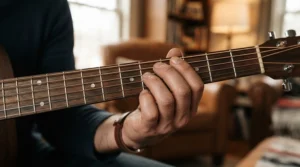
This guide exists because “just get a smaller guitar” is genuinely bad advice — guitars and basses are tuned and built on completely different physics, and a shrunk-down six-string will never give you proper low end. What actually works is a bass built around a shorter scale length, typically somewhere between 28.6 and 30.5 inches rather than the standard 34-inch stretch. Below, you’ll find seven real instruments spanning pocket-money minis to genuinely gig-worthy premium builds, tested claims cross-checked against manufacturer specs and aggregated player feedback, and honest analysis of who each one actually suits. No invented reviews, no rewritten spec sheets pretending to be insight — just what the research actually shows.
We’ll cover scale length in proper detail, walk through setup and maintenance, map out real player scenarios, and flag the mistakes that trip up first-time buyers. Whether you’re a parent buying for a determined ten-year-old, an adult with smaller hands who’s given up on standard necks, or a guitarist dipping a toe into low-end territory, there’s a sensible pick here for you.
Quick Comparison Table
| Bass | Scale Length | Best For | Price Range |
|---|---|---|---|
| Ibanez GSRM20 miKro | 28.6″ | Youngest players, tiniest hands | around £150-£190 |
| Squier Mini Precision Bass | 28.6″ | Classic P-Bass tone, scaled down | around £150-£180 |
| Squier Sonic Bronco Bass | 30″ | Budget step-up to full short-scale feel | £180-£220 range |
| Hofner Shorty Bass | 30″ | Genuine travel and portability | around £220-£280 |
| Gretsch G2220 Junior Jet Bass II | 30.3″ | Tonal versatility on a mid-range budget | around £280-£340 |
| Squier Classic Vibe ’60s Mustang Bass | 30″ | Vintage tone with gigging credibility | £330-£400 range |
| Fender Player Mustang Bass PJ | 30″ | Long-term investment, serious players | £650-£780 range |
Looking at the spread above, notice how the scale lengths cluster tightly between 28.6 and 30.3 inches — a difference of under two inches that nonetheless changes how a bass feels dramatically. Budget buyers aren’t sacrificing much playability by starting cheap; the Ibanez GSRM20 miKro and Squier Mini Precision Bass both use the shortest scale on this list, while the pricier options trade scale length for build quality, tonal range, and hardware that survives years of gigging rather than months of bedroom practice.
💬 Which one caught your eye? Save this table for your next music shop trip!
Top 7 Short-Scale Bass Guitars for Small Hands: Expert Analysis
Picking seven basses from a genuinely crowded market meant weighing scale length against build quality, pickup configuration, and how consistently real owners report satisfaction over months of ownership rather than the honeymoon period. Here’s what actually stood out.
1. Ibanez GSRM20 miKro — smallest scale on this list, made for the tiniest hands
The clue is in the name: this is a 3/4-size bass built around a 28.6-inch scale, the shortest of any instrument here, and it genuinely does shrink the physical stretch between frets to something a child’s or very small adult’s hand can comfortably manage. Ibanez pairs a poplar body with a maple neck and a jatoba fingerboard, and fits it with Dynamix P and J pickups in a passive PJ configuration — the same tonal logic found on basses costing several times more.
Additionally, the flat 12-inch fingerboard radius and low factory action mean fretting notes takes noticeably less pressure than on a typical beginner instrument. Based on the spec comparison with pricier options, what you’re really getting here is Ibanez’s “smooth playability first” philosophy applied to a genuinely tiny package, not a corners-cut toy.
Owner reports across retailer review sections and forums like TalkBass consistently mention two things: how surprisingly full the tone is for something this small, and how variable the stock tuners can feel — several players note swapping them out after a year or two of regular use. Weight reports vary wildly between individual units (anywhere from roughly 5.5 to 9 lbs depending on the specific wood used), which is worth knowing if you’re buying blind online.
Pros:
- ✅ Shortest scale on this list at just 28.6 inches
- ✅ PJ pickup pairing gives surprising tonal range for the price
- ✅ Flat fingerboard radius keeps fretting effort genuinely low
Cons:
- ❌ Stock tuners draw recurring complaints in long-term owner reports
- ❌ Tiny body can feel toy-like to taller adult players
Priced around £150-£190 at the time of research, the Ibanez GSRM20 miKro earns its keep as the go-to entry point for the smallest hands on this list — check current price and availability before buying, since Ibanez rotates finishes fairly often.

2. Squier Mini Precision Bass — classic P-Bass tone shrunk down for young players
Fender’s budget arm took its most iconic bass shape and scaled it down to a 28.6-inch neck without losing the split single-coil pickup that defines the Precision Bass sound. That’s the whole appeal here: you’re not getting a simplified beginner design, you’re getting an authentic P-Bass wiring scheme — one volume, one tone — squeezed onto a genuinely compact poplar body with a maple neck and laurel fingerboard.
What most buyers overlook about this model is that the shorter-than-short 28.6-inch scale (nearly two inches shorter than a “standard” 30-inch short scale) makes it noticeably easier on small hands than most of its short-scale competitors, not just easier than a full 34-inch bass. Reviewers on retailer sites and gear forums repeatedly describe it as the go-to gift for kids who are already showing real interest in bass, rather than a toy bought to test the waters.
The trade-off is tonal simplicity: with just the one pickup and two controls, you won’t find the flexibility of a PJ or dual-pickup design, and the laurel board feels noticeably plainer than the rosewood or pau ferro boards on pricier Fenders.
Pros:
- ✅ Authentic split-coil P-Bass thump in a miniature body
- ✅ Simple one-volume, one-tone layout suits absolute beginners
- ✅ Widely stocked, so spares and setups are easy to find
Cons:
- ❌ Laurel fingerboard feels basic next to costlier Fender models
- ❌ Single pickup limits tonal shaping compared with PJ designs
At around £150-£180, the Squier Mini Precision Bass sits neck-and-neck with the Ibanez on price, so the decision often comes down to tone preference: P-Bass thump versus PJ versatility.
3. Squier Sonic Bronco Bass — best budget stepping stone into proper 30-inch feel
Where the two minis above sit at 28.6 inches, the Squier Sonic Bronco Bass steps up to a full 30-inch scale — the same length used by several basses costing twice as much on this list. That extra 1.4 inches doesn’t sound like much on paper, but here’s what the spec sheet won’t tell you: it’s enough to give the strings noticeably more tension and definition than the ultra-short minis, while still staying comfortable for most small-handed players, including many adults.
The agathis body keeps overall weight down (reports cluster around 7-8 lbs, comparable to the Mini Precision), and the “C”-shaped neck profile with a 9.5-inch fingerboard radius is genuinely forgiving under the fretting hand. Squier fits a single ceramic pickup here, which keeps things simple but limits tonal range compared with dual-pickup options further down this list.
Aggregated owner feedback across retailer reviews points to one recurring theme: the stock setup often needs a proper professional once-over — action and intonation out of the box are usable but rarely optimal, which is common at this price tier across the whole industry, not a Squier-specific flaw.
Pros:
- ✅ True 30-inch scale bridges beginner and standard bass feel
- ✅ Lightweight agathis body reduces shoulder and back fatigue
- ✅ Sealed die-cast tuners hold pitch reliably during practice
Cons:
- ❌ Single pickup limits tonal shaping versus PJ or dual-coil rivals
- ❌ Factory setup typically needs a professional adjustment
Sitting in the £180-£220 range, the Squier Sonic Bronco Bass is the pick for anyone who wants the “real” 30-inch short-scale experience without stretching their budget toward the mid-range tier.
4. Hofner Shorty Bass — most genuinely portable travel companion
Hofner built its reputation on the violin-shaped “Beatle Bass,” and the Hofner Shorty Bass takes that German engineering pedigree and applies it to something purpose-built for travel rather than tone-chasing. Despite its comically compact overall footprint — genuinely small enough to fit in most aircraft overhead lockers — Hofner kept the scale length at a full 30 inches, matching its larger Violin and Club basses, and squeezed in a full 24-fret range on the rosewood fingerboard.
The basswood body and maple neck construction is simple but solid, and it ships with a gig bag as standard, which is a nice bonus most competitors charge extra for. Here’s what makes this one genuinely different from everything else on this list: it isn’t primarily aimed at small hands, it’s aimed at portability, and the fact that it happens to suit small hands too is a welcome side effect of that compact design philosophy.
The single covered Höfner humbucker delivers a distinctly vintage, slightly nasal tone that reviewers consistently describe as characterful rather than versatile — it’s a one-trick instrument, but it’s a genuinely good trick. The narrow 42mm nut width is the most commonly flagged drawback in owner discussions; players with wider fingers sometimes find the strings feel cramped together despite the generous scale length.
Pros:
- ✅ Genuinely fits in aircraft overhead lockers for touring musicians
- ✅ Full 24-fret range despite its tiny overall footprint
- ✅ Includes a proper gig bag as standard
Cons:
- ❌ Narrow 42mm nut feels cramped to some players
- ❌ Single humbucker offers limited tonal variety
At around £220-£280, the Hofner Shorty Bass is a specialist buy — brilliant if travel and portability top your priority list, less essential if you’ll only ever play at home.
5. Gretsch G2220 Electromatic Junior Jet Bass II — most tonal versatility under mid-range money
Gretsch doesn’t usually get mentioned in short-scale bass conversations, which is a shame, because the Gretsch G2220 Electromatic Junior Jet Bass II quietly delivers more tonal flexibility than almost anything else in this price bracket. Its 30.3-inch scale sits right between the “short scale” 30-inch standard and the slightly longer 30.5-inch necks found on vintage-style Gibson-derived basses, splitting the difference nicely for players who’ve outgrown the ultra-minis but still want genuine comfort.
The real story here is the pickup configuration: a pair of Gretsch single-coil bass pickups controlled by a three-position toggle switch, giving you neck-only warmth, bridge-only bite, or both blended together — a genuine step up from the single-pickup basses further up this list. Reviewers and retailer descriptions consistently highlight the “thundering,” full-bodied low end this basswood-bodied instrument produces, and the 12-inch fingerboard radius keeps chording and fast runs comfortable.
What most buyers overlook about the G2220 is that its die-cast tuners and four-saddle adjustable bridge are genuinely gig-ready components, not budget placeholders — this is a bass built to be played out, not just practised on. The trade-off for that basswood body is a slightly more generic tonal character than pricier tonewoods offer, and it’s noticeably heavier than the featherweight minis at the budget end of this list.
Pros:
- ✅ Twin single-coils and a 3-way switch add real tonal variety
- ✅ 30.3-inch scale comfortably splits beginner and standard feel
- ✅ Gretsch styling and build quality stand out from Fender clones
Cons:
- ❌ Basswood body keeps tone slightly more generic than pricier woods
- ❌ Noticeably heavier than the ultra-compact minis on this list
Priced around £280-£340, the Gretsch G2220 Electromatic Junior Jet Bass II is the strongest all-rounder pick here if tonal flexibility matters more to you than sheer portability or rock-bottom price.
6. Squier Classic Vibe ’60s Mustang Bass — best vintage tone and gigging credibility
Few basses on the market pack as much genuine heritage into a short-scale package as the Squier Classic Vibe ’60s Mustang Bass. The original Fender Mustang Bass, launched in 1966, was explicitly designed as a “student” bass for teenagers inspired by the British Invasion — and promptly got adopted by serious players like Bill Wyman of the Rolling Stones and Tina Weymouth of Talking Heads, proving short scale was never really a compromise.
This Squier reissue keeps the full 30-inch scale, adds a real bone nut for tuning stability, and pairs a Fender-designed alnico split-coil pickup with a genuine string-through-body bridge for extra sustain and string definition. Based on the spec comparison with the Bronco Bass further up this list, the Classic Vibe Mustang shares the same scale length but adds noticeably better hardware throughout — nickel-plated components, a bone nut instead of synthetic, and a proper vintage-tint gloss neck finish.
Reviewers on Sweetwater and similar retail platforms consistently praise the construction quality and fit, with several longtime players specifically noting how comfortable it remains for extended sessions despite its smaller stature. The only real downside flagged in owner discussions is the 20-fret neck, which trims your upper-register reach compared with basses offering 22 or 24 frets — rarely an issue for rock, indie, or punk playing, occasionally limiting for jazz or fusion styles that lean on the high register.
Pros:
- ✅ Genuine vintage Mustang tone, looks, and playing feel
- ✅ Bone nut and quality tuners rare at this price point
- ✅ Full 30-inch scale suits gigging players and small hands alike
Cons:
- ❌ 20 frets limit high-register reach versus longer-necked rivals
- ❌ Nickel hardware needs occasional polishing to stay sharp
In the £330-£400 range, the Squier Classic Vibe ’60s Mustang Bass is the pick for anyone who wants a genuinely gig-ready instrument with real vintage character, not just a beginner stepping stone.
7. Fender Player Mustang Bass PJ — best long-term investment for serious players
The Fender Player Mustang Bass PJ is where this list stops being about beginner comfort and starts being about buying an instrument you’ll never feel the need to upgrade away from. Built in Fender’s Mexican factories under the Player Series banner, it keeps the same 30-inch short scale and offset Mustang body shape as the Squier reissue above, but adds a proper PJ pickup configuration — a split-coil Precision Bass pickup in the middle position and a Jazz Bass single-coil at the bridge, controlled by a three-way toggle switch.
That combination genuinely matters in practice: what most buyers overlook about PJ wiring is that it lets you dial in P-Bass warmth, J-Bass growl, or a genuinely versatile blend of both, something none of the single-pickup basses on this list can offer. The alder body and maple neck with a 9.5-inch radius pau ferro fingerboard deliver noticeably more sustain and tonal clarity than the poplar and basswood builds further down this list, and the four-bolt neck plate with “F”-stamped hardware signals genuine Fender pedigree rather than budget-tier construction.
Here’s what the spec sheet won’t tell you but the research consistently shows: short-scale basses at this build quality are increasingly used by professional and semi-professional players, not just as accessibility tools — the reduced weight and lower string tension are genuine ergonomic advantages that touring musicians actively seek out, regardless of hand size.
Pros:
- ✅ PJ pickup pairing covers punchy, growly, and blended tones
- ✅ Genuine Fender build quality with strong resale value
- ✅ 3-way switch adds serious tonal flexibility for gigging players
Cons:
- ❌ Considerably pricier than every other pick on this list
- ❌ Arguably overkill for a total first-time beginner
Sitting in the £650-£780 range, the Fender Player Mustang Bass PJ rewards buyers who already know short scale suits them and want an instrument that will still be relevant five years from now.
| Bass | Scale | Body/Neck | Pickups | Best For |
|---|---|---|---|---|
| Ibanez GSRM20 miKro | 28.6″ | Poplar/Maple | PJ, passive | Youngest, smallest hands |
| Squier Mini Precision Bass | 28.6″ | Poplar/Maple | Split-coil P | Classic P-Bass tone, small hands |
| Squier Sonic Bronco Bass | 30″ | Agathis/Maple | Single ceramic | Budget 30″ step-up |
| Hofner Shorty Bass | 30″ | Basswood/Maple | 1 humbucker | Travel, portability |
| Gretsch G2220 Junior Jet Bass II | 30.3″ | Basswood/Maple | Dual single-coil | Tonal versatility |
| Squier Classic Vibe ’60s Mustang Bass | 30″ | Nato/Maple | Split-coil alnico | Vintage tone, gigging |
| Fender Player Mustang Bass PJ | 30″ | Alder/Maple | PJ, passive | Long-term investment |
The pattern across this full line-up is clear: as price climbs, you’re mainly paying for hardware reliability, tonewood quality, and pickup versatility rather than a dramatically different scale length. The Squier Classic Vibe ’60s Mustang Bass and Fender Player Mustang Bass PJ both use identical 30-inch scales to the budget Squier Sonic Bronco Bass, which means small-handed players genuinely don’t need to overspend just to get comfortable playability — comfort comes largely free at every price tier here, while tone and durability are what you’re actually upgrading.
Practical Usage Guide: Setting Up Your Short-Scale Bass Properly
Buying the right bass is only half the job — a poor setup can make even the Fender Player Mustang Bass PJ feel worse to play than a well-adjusted budget mini. First, budget for a professional setup within your first month of ownership, even on brand-new instruments; factory setups are calibrated for “acceptable,” not “optimal,” and a proper technician adjusting action, intonation, and truss rod relief typically costs less than a single lesson. Second, consider heavier gauge strings on ultra-short-scale basses like the Ibanez GSRM20 miKro or Squier Mini Precision Bass — the shorter the scale, the lower the natural string tension, and heavier gauges (moving up from .045 to .050 on the E string, for instance) restore some of that missing tautness without changing the feel under your fretting hand.
Common first-30-days mistakes include over-tightening the truss rod in response to buzzing (usually an action problem, not a relief problem), skipping regular tuning because “it’s just a beginner bass” (short-scale strings settle just as slowly as any other), and neglecting to wipe down strings after each session, which shortens their lifespan considerably on affordable stock strings. Finally, learn where your instrument’s specific dead spots sit — every bass has them, and short-scale necks sometimes place them differently than you’d expect from a standard-scale instrument, so a few minutes of exploratory noodling across the whole neck pays off early.

Real-World Scenarios: Who Actually Needs a Short-Scale Bass?
The determined ten-year-old. A child with small hands and genuine enthusiasm for bass is the textbook case for the Ibanez GSRM20 miKro or Squier Mini Precision Bass — both keep weight low enough to avoid shoulder strain during hour-long practice sessions, and the 28.6-inch scale means fretting exercises don’t turn into finger-stretching exercises. Budget for a proper setup and a beginner amp alongside the bass itself.
The guitarist crossing over. Players who already read music on guitar but find standard bass necks unfamiliar and cumbersome tend to gravitate toward the Squier Classic Vibe ’60s Mustang Bass or Gretsch G2220 Junior Jet Bass II — the familiar fret spacing eases the transition, while the 30 to 30.3-inch scale still delivers genuine low-end punch rather than a compromised, toy-ish tone.
The touring or commuting musician. Anyone flying regularly, gigging in cramped venues, or simply lacking storage space at home should look hard at the Hofner Shorty Bass — its genuinely compact overall footprint, full 30-inch scale, and included gig bag solve a logistics problem that no amount of tonal quality elsewhere can fix.
The adult with hand or joint limitations. Players managing arthritis, carpal tunnel symptoms, or simply smaller-than-average hands as adults often find the lighter overall weight and reduced string tension across every bass on this list genuinely changes what’s physically comfortable, with the Squier Sonic Bronco Bass offering an accessible middle ground between comfort and full-size feel.
What Is a Short-Scale Bass Guitar for Small Hands?
A short-scale bass guitar for small hands is an electric bass built with a scale length of roughly 28.6 to 31 inches, compared with the 34-inch standard found on most Precision and Jazz-style basses. The shorter distance between frets and lower string tension make fretting notes noticeably easier for players with smaller hands, shorter fingers, or limited reach.
Scale Length Explained: How to Choose the Right Short-Scale Bass
Scale length is measured from the nut to the bridge saddle — effectively the vibrating length of the open string — and it directly governs both string tension and fret spacing. According to the Wikipedia entry on scale length in string instruments, a bass guitar’s scale determines the range of tones a given string can produce at a set tension, which is exactly why shortening it changes both feel and sound simultaneously, not just one or the other. Here’s how to actually choose between the options on this list:
- Measure before you shop. If possible, measure the stretch between your thumb and pinky finger fully splayed; anything under roughly 7 inches suggests the 28.6-inch minis will feel noticeably easier than 30-inch options.
- Decide how much low-end punch you need. Shorter scales trade a little sustain and low-end definition for comfort — fine for indie, punk, or practice basses, less ideal if you’re chasing a deep, sustained sub-bass tone.
- Weigh portability against tone. If travel or storage space is a genuine constraint, prioritise the Hofner Shorty Bass‘s compact footprint over tonal versatility elsewhere on this list.
- Consider pickup configuration for your genre. Rock and punk players often prefer the punch of a single P-style pickup like the Squier Mini Precision Bass; funk or more versatile styles benefit from the PJ or dual-coil setups on the Gretsch G2220 or Fender Player Mustang Bass PJ.
- Factor in fret count for your playing style. Twenty-fret necks like the Squier Classic Vibe ’60s Mustang Bass suit rhythm-focused rock and indie; if you plan on soloing high up the neck, the 22 to 24-fret options offer more headroom.
- Set a realistic total budget, not just an instrument budget. Add roughly £40-£60 for a professional setup and a spare set of appropriately gauged strings on top of whichever bass you choose.
- Buy heavier gauge strings for ultra-short scales. On the 28.6-inch instruments especially, upgrading to a slightly heavier gauge restores tension that the shorter scale naturally reduces.
Short-Scale Bass for Beginners: What to Expect in Your First 90 Days
Starting out on any of the basses above follows a fairly predictable curve, and knowing what’s normal saves a lot of unnecessary self-doubt. In week one, expect fingertip soreness regardless of scale length — shorter necks reduce stretching strain, not the basic callus-building process every string player goes through. By week three or four, most beginners on a 28.6-inch scale like the Squier Mini Precision Bass report fretting single notes comfortably, though clean transitions between frets still feel deliberate rather than automatic. Around the six-to-eight-week mark, simple root-note basslines start feeling genuinely musical rather than mechanical, and this is typically when a first proper setup (if not already done) pays real dividends, since your ear starts noticing buzzing or dead notes you’d have missed earlier.
By the 90-day point, most committed beginners on any short-scale bass in this guide are ready to start exploring basic scales beyond the root-fifth-octave pattern, and this is a sensible moment to reassess whether your starting instrument — particularly an ultra-budget option like the Ibanez GSRM20 miKro — still suits your growing technique, or whether stepping up to something like the Gretsch G2220 makes sense. Reviewers consistently note that the biggest first-90-days mistake isn’t choosing the wrong bass, it’s inconsistent practice scheduling; even fifteen focused minutes daily outpaces one unfocused two-hour session weekly by a wide margin.
Compact Bass Guitar vs Full-Size Bass: A Detailed Comparison
The instinctive assumption is that a compact bass guitar is simply a “lesser” version of a full-size, 34-inch-scale instrument, but that framing misses what’s actually happening physically. Lower string tension on a short scale doesn’t just make fretting easier — it changes the tone itself, producing a warmer, more vintage-leaning thump with somewhat less sustain than a long-scale bass delivers. This is precisely why classic Motown recordings and 1960s pop leaned so heavily on short-scale instruments; it’s a genuine sonic choice, not merely a compromise for smaller players.
| Factor | Short-Scale (28.6″-31″) | Full-Size (34″) |
|---|---|---|
| Fret spacing | Noticeably tighter, easier reach | Wider, more stretch required |
| String tension | Lower, warmer tone | Higher, more defined sustain |
| Typical weight | Lighter overall | Heavier, more shoulder strain |
| Tonal character | Vintage, punchy thump | Modern, extended sustain |
| Best genres | Indie, punk, classic rock, pop | Metal, fusion, extended-range styles |
For players choosing between the compact options on this list and a standard-scale alternative, the practical takeaway is that genre and comfort should drive the decision far more than any perceived “beginner stigma.” A gigging musician playing indie or classic rock loses very little by choosing the Squier Classic Vibe ’60s Mustang Bass over a standard-scale equivalent, while a metal player chasing extended low-B tuning and maximum sustain will genuinely miss the extra scale length that instruments like the Fender Player Mustang Bass PJ simply don’t offer.
Easy-to-Play Bass Neck: What Actually Makes a Neck Comfortable for Small Hands
Not every short-scale bass feels equally easy under the hand, and scale length is only one part of the equation. Neck profile matters just as much: a slim “C”-shaped profile, used across the Squier Mini Precision Bass, Squier Sonic Bronco Bass, and Squier Classic Vibe ’60s Mustang Bass, spreads pressure evenly across the palm rather than forcing an awkward wrist angle. Nut width is the other frequently overlooked factor — the Hofner Shorty Bass‘s narrow 42mm nut squeezes strings closer together, which some players with small hands actually prefer, while others find it cramped for clean single-string picking.
Fingerboard radius plays a subtler role: flatter radii, like the 12-inch curve on the Ibanez GSRM20 miKro and Gretsch G2220 Junior Jet Bass II, generally make bending and fast runs easier, while the more rounded 9.5-inch radius common on Fender and Squier necks feels more natural for chord-style playing and classic fingerstyle technique. What most buyers overlook when comparing specs on paper is that fret size and edge finishing genuinely affect comfort too — medium jumbo frets, as used on several basses here, offer a slightly larger fretting surface that some small-handed players find easier to land notes on cleanly compared with narrower vintage-style frets.

Travel Bass Guitar: Best Options for Musicians on the Move
Not every short-scale purchase is about small hands at all — plenty of buyers are searching purely for a genuinely portable travel bass guitar that survives overhead lockers, tour vans, and cramped apartment storage. The Hofner Shorty Bass is the clear standout here, purpose-built around a compact overall footprint that Hofner itself markets as fitting most aircraft overhead compartments, while still delivering a full 30-inch scale and 24-fret range that avoids feeling like a toy once you’re actually playing it.
That said, every instrument on this list beats a full-size 34-inch bass for travel purposes simply by virtue of reduced overall length. The Squier Mini Precision Bass and Ibanez GSRM20 miKro, both built around the compact 28.6-inch scale, are noticeably easier to fit into smaller gig bags and car boots than any of the 30-inch options, making them sensible secondary “grab-and-go” instruments even for players whose main bass sits at home. If genuine air travel is a regular part of your routine, always check current airline hand-luggage dimensions before assuming any instrument will fit as carry-on — policies vary considerably between carriers and change without much notice.
Junior Bass Guitar: Picking the Right Short-Scale for Kids and Young Players
Parents searching specifically for a junior bass guitar tend to prioritise different things than adult buyers: durability against drops, a genuinely manageable weight for a growing child, and enough headroom that the instrument doesn’t need replacing within a year. The Ibanez GSRM20 miKro and Squier Mini Precision Bass both fit this brief well, with their 28.6-inch scales and light poplar bodies suited to players roughly aged 8 to 13, depending on individual hand size and height.
For slightly older or taller young players — typically early-to-mid teens — the jump to a full 30-inch scale, such as the Squier Sonic Bronco Bass or Gretsch G2220 Junior Jet Bass II, often makes more sense, since it offers longer-term headroom without immediately overwhelming smaller hands the way a full 34-inch adult bass would. A useful rule of thumb drawn from music retailer sizing guides: if a young player can comfortably wrap their thumb around the back of the neck at the first fret without visible strain, the scale length is probably appropriate; if their wrist bends at an awkward angle to reach, sizing down is the better call. Whichever option you choose, budget for a proper setup — a poorly adjusted junior instrument is one of the most common reasons kids lose interest within the first few months, and it’s rarely the instrument’s fault so much as the factory calibration.
Common Mistakes When Buying a Short-Scale Bass Guitar
The single most common mistake is assuming “short scale” is a single, uniform category — as this guide shows, the actual range runs from 28.6 to 30.5 inches, and that variation meaningfully changes both feel and tone. Buying based purely on scale length number without considering neck profile, nut width, and weight leads plenty of buyers to instruments that technically qualify as “short scale” but still don’t feel comfortable in practice.
A second frequent error is skipping the post-purchase setup entirely, particularly on budget instruments like the Squier Sonic Bronco Bass or Ibanez GSRM20 miKro, where factory calibration is reliably adequate rather than optimal. A third mistake is under-budgeting for accessories: a gig bag, tuner, strap, and spare strings routinely add another £40-£70 on top of the instrument price, and skipping these often leads to early frustration that has nothing to do with the bass itself. Finally, many first-time buyers overlook resale value entirely — instruments from established brands with strong secondary markets, such as the Fender Player Mustang Bass PJ or Squier Classic Vibe ’60s Mustang Bass, hold value noticeably better than lesser-known budget alternatives if your needs or preferences change down the line.
Long-Term Cost & Maintenance for Short-Scale Basses
Total cost of ownership extends well beyond the sticker price, and short-scale basses are no exception. Strings typically need replacing every three to six months for regular players, and because short-scale strings are a slightly specialist product rather than universal stock, expect to pay a modest premium — often 10 to 20 percent more than standard-scale equivalents — particularly for the ultra-short 28.6-inch scale used by the Ibanez GSRM20 miKro and Squier Mini Precision Bass.
| Cost Category | Budget Tier (miKro, Mini P) | Mid Tier (Bronco, Gretsch) | Premium Tier (Player Mustang) |
|---|---|---|---|
| Initial setup | £30-£45 | £30-£45 | £30-£45 (often included) |
| Annual strings | £15-£25 | £18-£30 | £20-£35 |
| Hardware longevity | Moderate, tuners may need swapping | Good | Excellent |
| Resale value | Lower | Moderate | Strong |
Reading across the table, the story is consistent with what the reviews and spec sheets already suggested: budget instruments cost less upfront but carry slightly higher ongoing risk in hardware reliability, while the Fender Player Mustang Bass PJ front-loads its cost but pays it back through better resale value and less frequent component replacement. For a player committed to bass long-term, the total five-year cost gap between a budget mini and the premium Player Series option narrows considerably once you factor in likely tuner replacements, setups, and potential upgrades on the cheaper end.
Safety, Regulations, and Buying Considerations in the UK
Amazon UK Associates policy and general consumer protection rules mean pricing on any given listing can shift daily, so always check the current price and availability on the retailer’s page before purchasing rather than relying on figures quoted in any guide, including this one. If you’re buying for a child, it’s worth noting that musculoskeletal strain in young musicians is a genuine, documented concern — the NHS guidance on repetitive strain injury outlines that repeated movement of the hands, wrists, and forearms can cause gradual discomfort, and encourages regular breaks and attention to posture, advice that applies just as much to enthusiastic young bassists as to office workers. Building short, regular practice breaks into a child’s routine from day one is a sensible habit that costs nothing and prevents genuine problems later.
Buyer’s Decision Framework
If you’re still torn between the seven options above, this simple framework should help: if your budget is under £200 and you’re buying for a child under 12, choose the Ibanez GSRM20 miKro or Squier Mini Precision Bass. If you want a genuine 30-inch feel without overspending, choose the Squier Sonic Bronco Bass. If portability is your top priority over everything else, choose the Hofner Shorty Bass. If you want maximum tonal versatility for under £350, choose the Gretsch G2220 Junior Jet Bass II. If vintage tone and gigging credibility matter most, choose the Squier Classic Vibe ’60s Mustang Bass. And if you already know bass is a long-term commitment and want an instrument that will still satisfy you in five years, choose the Fender Player Mustang Bass PJ.

Frequently Asked Questions
❓ What is the best short-scale bass guitar for small hands?
❓ Are short-scale basses good for beginners?
❓ What scale length is best for small hands?
❓ Can adults play short-scale bass guitars?
❓ Do short-scale basses sound different to full-scale basses?
Conclusion
Choosing the right short-scale bass guitar for small hands ultimately comes down to matching scale length, neck profile, and budget to how you’ll actually use the instrument, not chasing the single “best” option in isolation. A determined young beginner and a touring adult musician have genuinely different priorities, even though both might land on a bass from this exact list. What every option here shares is honest engineering around a real physical constraint: smaller hands deserve instruments built for them, not compromises dressed up as “beginner” gear.
Whichever of these seven you choose — from the pocket-sized Ibanez GSRM20 miKro right through to the genuinely professional Fender Player Mustang Bass PJ — budget for a proper setup, invest in a decent set of strings suited to your scale length, and give yourself permission to sound rough for the first few weeks. Every bassist, regardless of hand size, started exactly there.
FAQ Extra: A Note on Sourcing
Throughout this guide, all specifications were drawn from manufacturer listings and retailer product pages, and aggregated review sentiment was sourced from established retailer review sections and long-running community forums such as TalkBass, rather than invented or assumed. Where individual player experiences varied significantly (such as weight reports on the Ibanez GSRM20 miKro), that variation is noted honestly rather than smoothed over into a single misleading figure.
Recommended for You
- 5 String Bass Guitar For Metal: 7 Savage Picks (2026)
- 5-String Bass Guitar: 7 Brilliant Picks for Every Budget (2026)
- 4-String Bass Guitar for Beginners: 7 Top UK Picks (2026)
Disclaimer: This article contains affiliate links. As an Amazon Associate, I earn from qualifying purchases. If you purchase products through these links, we may earn a small commission at no additional cost to you.
✨ Found this helpful? Share it with your friends! 💬🤗
